For drivers
Before Your Shift: Vehicle and Driver Safety
Use a pre-shift checklist for your vehicle, restraints, visibility, and fitness to drive, and know when to stop rather than accept another journey.
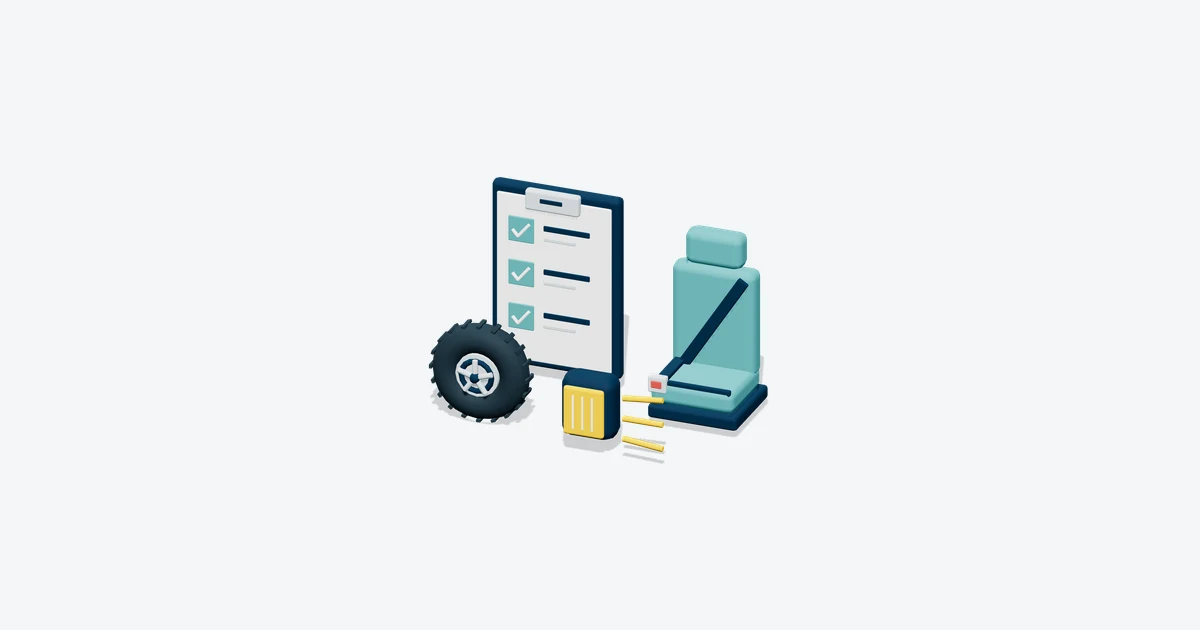
Start only when you and the vehicle are ready: a warning light, an unusable seatbelt, or difficulty staying awake is a reason to stop and address the problem. A short checklist does not replace servicing, inspections, or the permissions required to carry passengers.
Confirm that you may carry passengers
Before offering rides, confirm the applicable driving licence, vehicle documents, inspections, insurance cover, and local authorisations. Ask your insurer specifically about the intended passenger-transport use. Personal car insurance should not be assumed to cover it.
The getting-started guide explains what to ask. Sending RideHub an enquiry or joining a waiting list does not approve you to drive, establish insurance cover, or confirm operational availability.
Check the vehicle before accepting a journey
Use your vehicle’s handbook and maintenance schedule, and arrange professional checks where needed. Before a shift, pay particular attention to:
- Tyres: visible damage, condition, and pressure against the manufacturer’s recommendations.
- Brakes and warnings: unusual behaviour or sounds, dashboard alerts, and any known unresolved fault.
- Lights and visibility: indicators, brake lights, headlights, clean windows, mirrors, and working wipers.
- Passenger restraints: accessible, functioning seatbelts for every occupied seat; suitable child restraints when needed.
- Doors and luggage: safe entry and exit, unobstructed passenger space, and luggage that can be secured.
- Journey readiness: sufficient fuel or charge and a phone that can support navigation and emergency contact.
Do not use passengers as a test of whether a fault is serious. If a safety-critical problem is suspected, stop offering rides until it has been assessed and resolved. A spare restraint, extra cushion, or improvised repair is not a substitute for appropriate equipment.
Check your own fitness to drive
Plan enough sleep before driving and breaks during the day. Long working hours, illness, stress, and some medicines can affect attention. Check medicine warnings and ask a pharmacist or clinician if you are unsure whether you can drive safely.
Do not drive after drinking alcohol or using substances that impair driving. If fasting affects your concentration or energy, plan your schedule around how you actually feel rather than assuming you can maintain your usual hours.
Repeated yawning, heavy eyelids, drifting attention, or difficulty remembering the last part of the road are reasons to stop somewhere safe. Opening a window, turning up music, or having coffee is not a substitute for rest. Do not continue a shift just to meet an earnings target.
Prepare for the route and conditions
Check the weather and any known access restrictions before a longer trip. Leave enough time for traffic and breaks so a late pickup does not become pressure to speed. Poor lighting and difficult weather may require a different route, a delay, or not travelling.
Set the destination and secure your phone before moving. Pull over legally and safely before typing, answering messages, or adjusting a route. Hands-free conversation can still distract you.
Keep a clear stop decision
- Am I alert and fit to drive?
- Is the vehicle free of unresolved safety concerns?
- Can every passenger and their luggage travel safely?
- Are the route, conditions, and journey length manageable?
- Are the required documents and permissions in place?
If the answer to any question is no, resolve it before accepting passengers. Continue with safe pickups, journeys, and drop-offs for the trip itself.
Sources and scope
References reviewed on 15 October 2026:
- UK FCDO: Morocco road travel and driving conditions.
- WHO: Road traffic risks, restraints, impairment, and distraction.
This is a general preparation checklist, not an inspection certificate, medical assessment, or a statement of RideHub driver eligibility. Confirm current local obligations with the relevant authorities and qualified professionals.
A non-urgent safety question?
Email our team. For immediate danger, contact local emergency services instead; email is not an emergency service.