For drivers
Safe Pickups, Journeys, and Drop-offs: A Driver Guide
Confirm the right passenger, choose suitable stopping places, communicate route changes, and help everyone board and leave the vehicle safely.
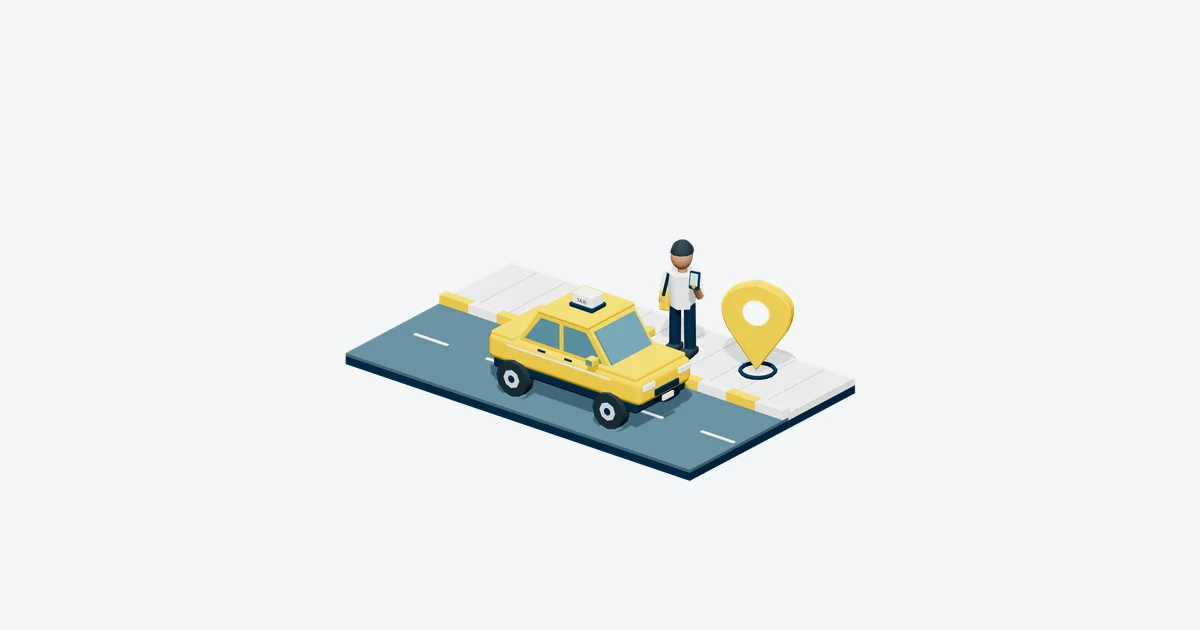
A clear journey starts at pickup: confirm the passenger, destination, and practical arrangements before moving. An urgent request does not make an unsafe stop, extra passenger, or speeding acceptable.
These recommendations apply to drivers who have already confirmed the permissions, vehicle suitability, and insurance required for the work. The RideHub website does not approve drivers or dispatch bookings through its enquiry form.
Agree a place where you can stop safely
Use a recognisable meeting point where stopping is permitted. A map pin is not permission to stop on a crossing, block an entrance, or wait in moving traffic. At airports and stations, follow the venue’s pickup arrangements and local signage.
If the requested point is unsuitable, explain the issue and agree an alternative before arriving. Consider the passenger’s walking distance and accessibility needs rather than assuming they can cross a busy road or climb steps.
Send pickup messages while parked safely, not while approaching through traffic.
Confirm the passenger without exposing their details
Identify yourself and verify the journey with the person you are collecting. Ask for the name associated with the arrangement and confirm the destination privately. Do not announce a passenger’s full name, phone number, or home address to a queue of strangers.
If the details do not match, check with the confirmed provider before beginning. Someone knowing a destination is only one check, not sufficient proof that they are the intended passenger.
Make boarding unhurried
- Stop fully before anyone opens a door or loads luggage.
- Check that the group fits the vehicle’s permitted capacity and that every person has a proper seat and working restraint.
- Confirm suitable child restraints in advance; do not substitute carrying a child on someone’s lap.
- Ask what assistance is wanted before touching a person, mobility aid, or luggage.
- Secure luggage without blocking exits or visibility.
- Wait until boarding is complete and everyone is ready before moving.
Do not promise lifting assistance, accessible equipment, or secure storage that you cannot safely provide. Discuss a suitable alternative with the passenger and provider when the vehicle is not a fit.
Confirm the route and fare arrangement
Check the destination, planned stops, payment method, and applicable pricing arrangement before departure. For a medina or pedestrian area, explain where vehicle access ends and agree a practical drop-off. A street address may not be reachable by car.
If traffic or a closure requires a route change, explain it calmly when it is safe to speak. Agree any passenger-requested change and its price implications before proceeding where practicable. Do not use an unexpected route change to pressure someone into an unexplained charge.
Keep your attention on driving
Follow applicable road rules, keep an appropriate following distance, and adapt your speed to visibility and conditions. A passenger’s appointment or flight does not justify speeding or risky manoeuvres.
Set navigation before departure and stop safely before operating your phone. Do not negotiate the next job or read messages while driving. If a conversation becomes distracting or heated, defer it until you can stop safely. See handling disputes and unsafe behaviour.
Finish the journey carefully
Agree the final stopping point, park legally, and allow time for the passenger to gather belongings. Remind them to check for traffic before opening a door. Where possible, use a suitable kerbside exit rather than asking them to step into traffic.
Complete payment discussions while stationary. Check that everyone and their belongings are clear before moving off. Do not retain luggage, obstruct an exit, or follow a passenger over a dispute.
Sources and scope
- WHO: Road traffic risks, seatbelts, child restraints, and distraction.
- UK FCDO: Morocco transport guidance.
References reviewed on 15 October 2026. This guide recommends safe practices; it is not a driver contract or a complete statement of local transport and accessibility law.
A non-urgent safety question?
Email our team. For immediate danger, contact local emergency services instead; email is not an emergency service.