For riders
Travelling Alone or at Night: A Rider Safety Guide
Prepare for a solo or late journey, keep someone informed, and know how to respond to an unexpected route change or unsafe driving.
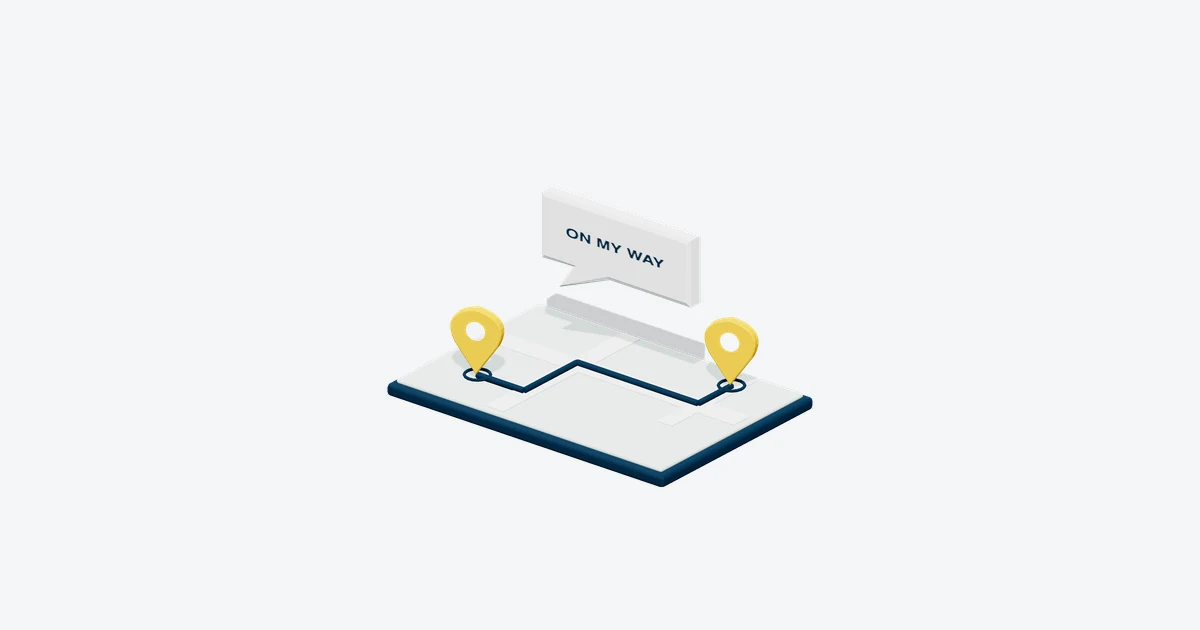
Make a plan before you leave: confirm your ride, choose suitable pickup and drop-off points, and let someone you trust know your expected arrival. These precautions can help you prepare; responsibility for misconduct always lies with the person causing it.
A late finish at work, an evening visit, or an early departure can leave fewer transport options. Think about the whole journey, including waiting for the car and the walk after you get out. An enquiry sent through the RideHub website is not a confirmed ride.
Prepare while you are somewhere comfortable
- Charge your phone and consider a charged power bank for a longer outing.
- Save your destination’s address and a recognisable landmark; keep an offline map if connectivity may be unreliable.
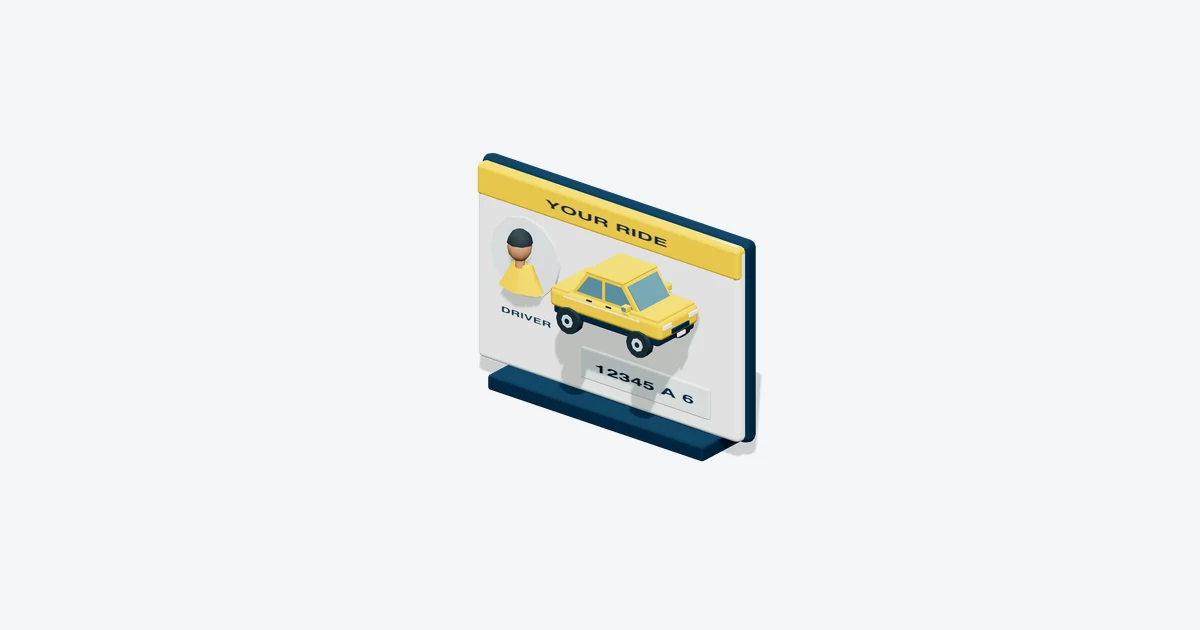
- Confirm the driver, vehicle, meeting point, and payment arrangement through your provider.
- Choose a well-lit pickup point with people nearby and a practical drop-off.
- Have a backup plan, such as contacting your accommodation or a trusted person if the ride does not arrive.
Avoid leaving a safe waiting place solely because someone says a driver is nearly there. At pickup, use the check-your-ride checklist before boarding.
Keep a trusted person informed
Privately share your destination, expected arrival time, and the confirmed vehicle details with someone you trust. Agree what they should do if you miss your check-in, such as calling you and seeking emergency help if there is reason to believe you are in danger.
If you choose to use your phone’s location-sharing tools, check the recipient and sharing duration. Location sharing can stop when the battery, signal, or permissions change; it is not a guarantee that someone is monitoring you. The RideHub app shows your trip on a live map; sharing your location with a trusted contact still uses your phone’s own tools.
Avoid posting your live whereabouts or home address publicly.
During the journey
Wear a seatbelt throughout the ride. Keep your phone and essential belongings accessible without displaying valuables unnecessarily. You do not need to answer personal questions about where you live, whether someone is waiting, or your future plans.
If you follow the route on a map, remember that roadworks, traffic, and access restrictions can cause legitimate changes. A different route alone does not establish wrongdoing. If comfortable doing so, ask: “Has the route changed? Please confirm where we are heading.”
If the explanation is unclear or the driving feels unsafe, you can ask to stop at a suitable public location. You do not have to argue about the route or prove why you want to end the journey. Do not attempt to get out while the car is moving.
If you feel in danger
Prioritise your immediate safety over the fare or collecting evidence. Contact local emergency services when needed and provide your location, direction of travel, and vehicle details if available. Do not wait for an email response from RideHub.
Once somewhere safe, contact a trusted person and arrange onward travel. Our getting-help guide lists emergency contacts and explains how to record an incident afterwards.
Finish at a suitable place
Confirm the final drop-off before arrival, particularly near pedestrian areas or buildings with several entrances. Leave the vehicle only once it has stopped, check for passing traffic, and collect your belongings without stepping into the road unnecessarily. Let your trusted contact know you have arrived and end any location sharing you no longer need.
Sources and scope
References checked on 15 October 2026:
- UK FCDO: Morocco safety and transport guidance.
- WHO: Road traffic injuries and the role of seatbelts.
This is general safety guidance, not a promise of safe routes, driver screening, continuous monitoring, or immediate assistance.
A non-urgent safety question?
Email our team. For immediate danger, contact local emergency services instead; email is not an emergency service.